
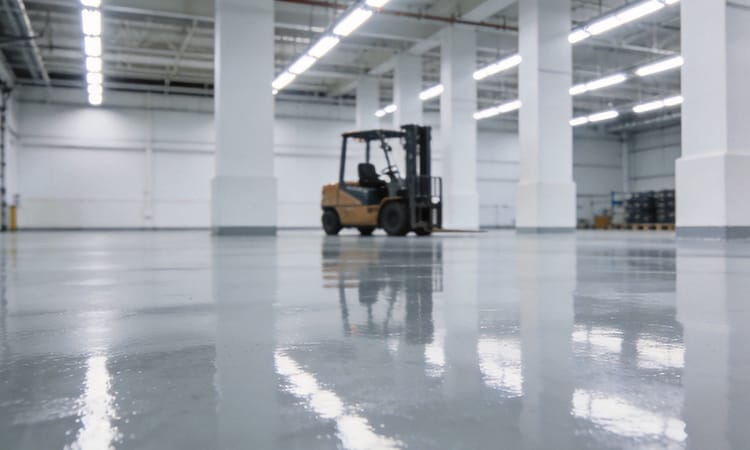
What is Epoxy Floor Coating?
Epoxy floor coating is a thermosetting resin system composed of two primary components: epoxy resin and a polyamine hardener (curing agent). When these components are mixed in precise ratios, a chemical reaction occurs that creates a rigid, highly cross-linked polymer structure. This molecular structure bonds chemically to properly prepared concrete substrates, forming a seamless, non-porous surface that resists wear, impacts, chemicals, and moisture.
Unlike conventional floor paint, which sits on the surface as a thin film, industrial epoxy floor coating chemically fuses with the concrete to create a composite material. The result is a floor system that typically lasts 10-20 years with proper maintenance—significantly outperforming traditional paint systems that may require reapplication every 2-3 years in heavy-use environments.
Superior Durability and Wear Resistance
Epoxy floor coating systems achieve hardness ratings of 80-90 Shore D, making them highly resistant to abrasion from foot traffic, forklifts, pallet jacks, and heavy machinery. In facilities where heavy loads and constant movement are daily realities, epoxy flooring maintains its integrity and appearance far longer than alternative solutions.
Chemical and Stain Resistance
Manufacturing facilities, food processing plants, and warehouses handling chemicals benefit from epoxy’s exceptional resistance to oils, solvents, acids, alkalis, and cleaning agents. This resistance prevents staining, surface degradation, and extends the operational life of the floor system while maintaining a clean, professional appearance.
Seamless Hygiene and Easy Cleaning
The non-porous, seamless nature of properly installed epoxy floor coating eliminates cracks, joints, and crevices where bacteria, debris, and contaminants can accumulate. This makes epoxy ideal for food processing, pharmaceutical, healthcare, and electronics manufacturing environments where hygiene standards are paramount.
Safety and Visibility
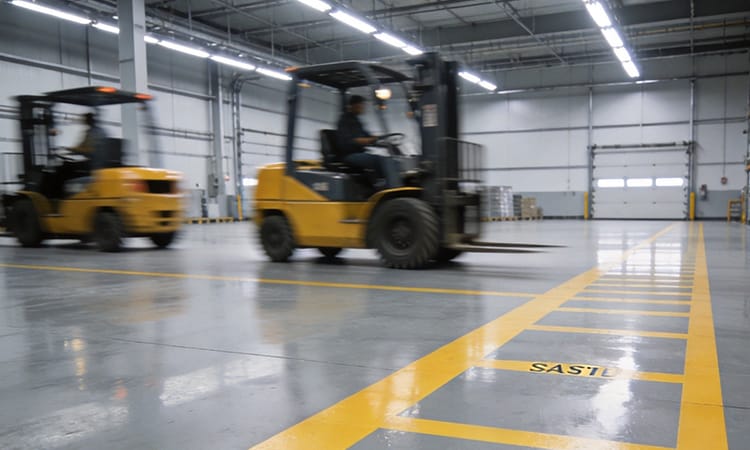
Modern epoxy formulations include anti-slip additives, high-gloss finishes that improve lighting reflectivity by up to 300%, and color-coding capabilities for safety zones and traffic lanes. These features contribute to workplace safety while reducing lighting energy costs.
Types of Industrial Epoxy Floor Coatings
Self-Leveling Epoxy Systems
Self-leveling epoxy creates a smooth, level surface over damaged or uneven concrete. With thicknesses ranging from 2mm to 6mm, these systems are ideal for facilities requiring clean, level floors with excellent aesthetics and durability.
Epoxy Mortar Systems
The most robust epoxy flooring option, epoxy mortar consists of quartz sand or silicon carbide aggregate mixed with epoxy resin. These systems withstand extreme impact, thermal shock, and heavy point loads—making them suitable for heavy manufacturing, steel mills, and forklift traffic areas.
Quartz-Filled Epoxy Systems
Quartz sand is broadcast into wet epoxy to create a textured, anti-slip surface. These systems balance durability with cost-effectiveness and are widely used in commercial kitchens, laboratories, and light industrial spaces.
Anti-Static Epoxy Systems
Specialized formulations incorporating conductive fibers or particles create floors that safely dissipate static electricity. These are critical for electronics manufacturing, aerospace facilities, and environments where static discharge poses explosion risks or can damage sensitive equipment.
Application Requirements and Considerations
Successful epoxy floor coating installation requires careful attention to substrate preparation, environmental conditions, and curing protocols.
Concrete Substrate Preparation
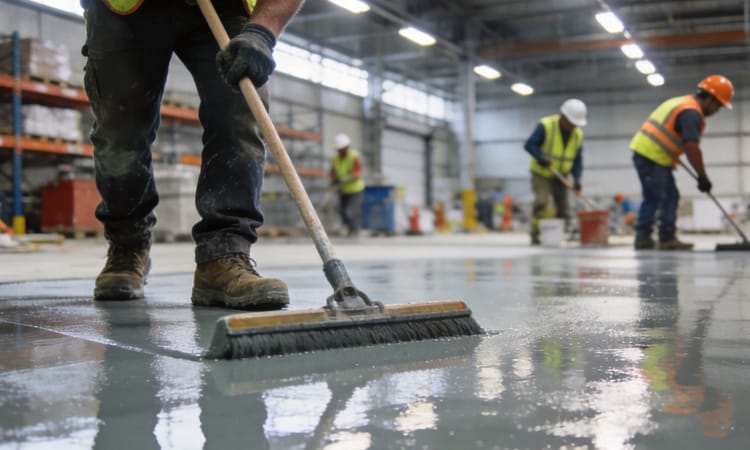
Surface preparation is the most critical factor determining coating adhesion and longevity. Mechanical methods such as shot blasting, diamond grinding, or scarification are preferred to create a surface profile that allows mechanical bonding. The concrete must be structurally sound, dry, and free from contamination including oils, greases, curing compounds, and previous coatings.
Environmental Conditions
Optimal application conditions include substrate temperatures between 15-30°C (59-86°F) and relative humidity below 85%. Applying epoxy outside these parameters can result in improper curing, bubbling, peeling, or amine blush. Many facilities schedule epoxy installation during controlled shutdown periods to ensure ideal conditions.
Cure Time and Return to Service
While initial set times range from 4-12 hours depending on formulation, full chemical cure typically requires 7 days at standard conditions. Facilities must plan for adequate downtime, though fast-curing formulations can reduce this to 24-48 hours for some systems.
Cost Considerations for B2B Buyers
When evaluating epoxy floor coating for your facility, consider total cost of ownership rather than initial installation cost alone.
Initial Investment Factors
Material costs vary based on system thickness, formulation complexity, and performance requirements. Basic mid-range systems typically cost $8-15 per square foot installed, while high-performance mortar systems may reach $20-35 per square foot. While these figures exceed conventional paint, the extended service life typically results in lower 10-year costs.
Long-Term Value
Well-maintained epoxy floors in moderate-traffic industrial environments commonly achieve 15-20 year service life. This compares favorably to conventional floor paint requiring reapplication every 2-4 years in similar conditions. When labor, materials, and production downtime are factored, epoxy often delivers superior lifecycle value.
Maintenance Requirements
Daily maintenance involves sweeping and periodic wet mopping with neutral-pH cleaners. Annual deep cleaning and inspection can identify any damage early, allowing spot repairs before issues escalate. Avoiding harsh chemicals, excessive moisture, and heavy impact will maximize floor life.
Choosing the Right Epoxy Floor Coating Partner
For B2B buyers sourcing epoxy floor coating systems, partnering with an experienced manufacturer offers significant advantages. Look for suppliers with proven track records in your specific industry, relevant quality certifications (ISO 9001, ISO 14001), and technical support capabilities for specification assistance and installation guidance.
Why Partner with MagicalPaint?
With over 30 years of experience manufacturing industrial floor coatings, MagicalPaint serves clients in 60+ countries. Our factory-direct model ensures competitive pricing without compromising quality. We offer comprehensive technical support, custom formulation capabilities for specialized requirements, and samples for testing before committing to full orders. Our production facilities in Shunde, Guangdong—one of China’s premier coating manufacturing hubs—enable us to meet both small pilot orders and large-scale project requirements.
Whether you need standard formulations or custom-developed solutions for unique industrial requirements, our technical team can help specify the optimal epoxy floor coating system for your application. Contact us today to discuss your project specifications and receive a customized quotation.
wish you all the best
yes