
Assessing Your Needs
Choosing the right floor coating starts with understanding your specific space and how it will be used. Let’s break down the key points to consider before making a decision.
Identify Your Space Type
Is this for a garage, basement, workshop, or industrial area? Each space has different requirements. For example, a garage floor may need a UV-resistant garage paint that can handle sunlight, while a workshop benefits from a chemical-resistant workshop flooring.
Evaluate Traffic and Wear
How much foot or vehicle traffic will your floor see? High-traffic areas need more durable solutions like epoxy garage floor coating or polyurethane concrete sealer. Lightly used spaces may be fine with acrylic sealers or simpler finishes.
Consider Environmental Factors
Does your floor face moisture, temperature swings, or exposure to harsh chemicals? A coating with anti-slip concrete coating and moisture resistance could be vital, especially in damp basements or outdoor patios.
Budget Breakdown
Be clear about what you’re willing to spend. Durable options like polyaspartic might cost more upfront but last longer, saving you money in the long run. On the other hand, DIY-friendly acrylic floor paint offers a budget-friendly start.
Actionable Self-Assessment Quiz
- What type of room are you coating?
- How often and what type of traffic is expected?
- Is moisture or chemical exposure a concern?
- What is your ideal lifespan for the floor coating?
- How much are you ready to invest?
Answering these will guide your next steps. Knowing your needs upfront ensures you pick the right product, saving time and preventing costly mistakes later. Ready to dive into the types of coatings? Let’s explore your options next.
Understanding the Main Types of Floor Coatings
When choosing the right floor coating, knowing the main types helps a lot. Here’s a quick look at the popular options and what they bring to the table.
| Coating Type | Pros | Cons | Best For |
|---|---|---|---|
| Acrylic Sealers | Affordable, easy to apply, UV-resistant | Less durable, not great for heavy traffic | Light garage use, patios |
| Epoxy Coatings | Very durable, chemical-resistant, glossy finish | Longer cure time, can yellow in UV | Garage floors, workshops, industrial areas |
| Polyurethane Finishes | Flexible, UV-resistant, glossy, long-lasting | Pricier, prep intensive | UV-exposed areas, outdoor surfaces |
| Polyaspartic & Polyurea | Fast curing, highly durable, UV-resistant | Higher cost, specialized application | Commercial garages, industrial floors |
| Specialty Variants | Includes anti-slip, colored sand epoxy, self-leveling paints | Can be pricey, limited DIY options | 定制外观,注重安全的区域 |
Acrylic Sealers
Acrylic floor paint is good if you want a quick, budget-friendly fix with decent UV resistance. It works well for light use but won’t hold up under heavy wear.
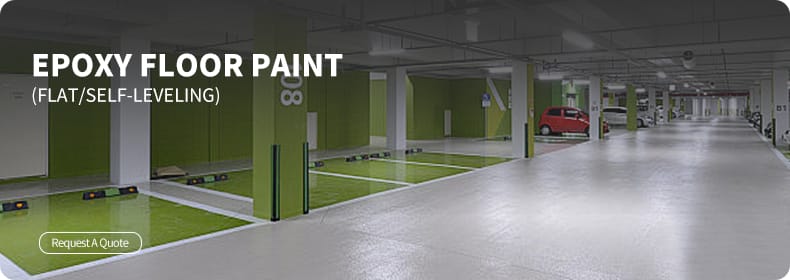
Epoxy Floor Paint
Epoxy garage floor coating is a favorite for its toughness and chemical resistance. It’s ideal for high-traffic spots but expects a longer wait before use and some yellowing over time if exposed to sunlight.
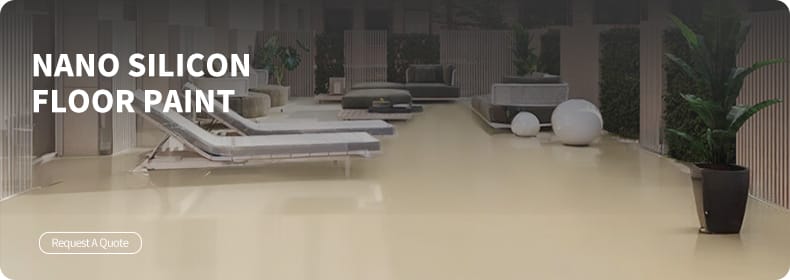
Polyurethane Concrete Sealer
Polyurethane finishes offer excellent UV protection and flexibility, which means they won’t crack easily. They cost more but last longer, making them worth it for outdoor or sun-exposed floors.
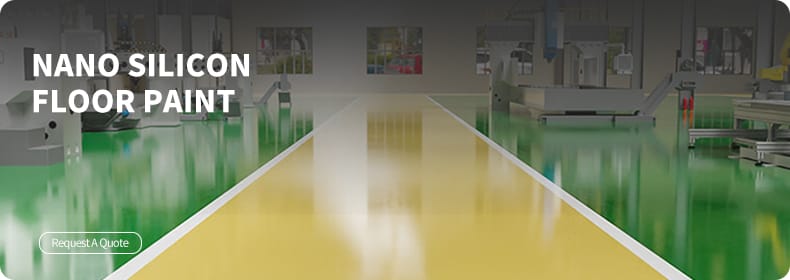
Polyaspartic and Polyurea Options
These coatings dry super fast and are durable enough for industrial-grade use. Though they cost more and require professionals to apply, they’re perfect if you need quick turnaround and tough floors.
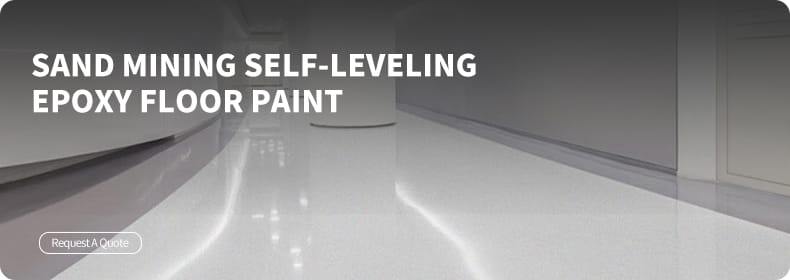
Specialty Types
Specialty floor coatings like anti-slip concrete coatings or colored sand epoxy finishes add extra safety or style but may be more expensive or complex to install. Self-leveling floor paint is great for uneven surfaces, giving a smooth finish easily.
Understanding these types can help you match a floor coating to your specific needs, especially for garage floors, basements, or workshops where durability and chemical resistance matter most.
Key Factors to Weigh Before Buying Floor Coating
When choosing the right floor coating, there are several key things to keep in mind to make sure it fits your needs:
Durability and Performance
Look for a coating that can handle the kind of traffic and wear your floor will see. For example, an epoxy garage floor coating offers strong chemical resistance and toughness—great for workshops or heavy-duty areas. If you want durable basement floor protection, check how well the product stands up to moisture and impact.
Ease of Application
Some coatings, like self-leveling floor paint, make it easier to get a smooth finish, especially for DIY projects. Others may need professional installation. Make sure the product matches your skill level and the time you’re willing to spend.
Aesthetics and Customization
The look matters too. Polyurethane floor paint and colored sand epoxy finishes give you options for colors, textures, and gloss levels. Consider if you want a UV-resistant garage paint to keep colors vibrant under sunlight or an anti-slip concrete coating for safety.
维护和寿命
Think about how much upkeep the floor will need. Some finishes resist stains and chemicals better, requiring less frequent recoating. A floor you can easily clean and maintain will save time and money.
Safety and Eco-Friendliness
Check if the coating has low VOCs (volatile organic compounds) and is safe for indoor use. Some specialty variants offer better environmental profiles, which is a bonus if you care about sustainability.
By weighing these factors, you’ll be closer to choosing a floor coating that fits your space, use, and style without surprises.
Step-by-Step Guide to Selecting and Applying Your Coating
Surface Prep Essentials
Proper surface prep is key to any successful floor coating. Clean the floor thoroughly—remove dirt, grease, and old coatings. Repair cracks or holes and make sure the surface is dry. Moisture or dust can ruin your epoxy garage floor coating or polyurethane concrete sealer.
Test Small Areas
Before covering the whole floor, test your chosen coating on a small patch. This helps you check adhesion, color, and finish. It’s a simple way to avoid surprises and make sure you like the look and feel.
Choose Based on Checklist
Use this quick checklist to decide on your floor coating:
| Factor | What to Check |
|---|---|
| Space Type | Garage, basement, workshop? |
| Traffic Level | High traffic or light use? |
| Chemical Resistance Needed | Any exposure to oil, solvents? |
| UV Exposure | Will it get direct sunlight? |
| Desired Appearance | Glossy, matte, colored sand epoxy finish? |
| Maintenance Willingness | Easy clean vs. frequent upkeep |
Application Timeline
Timing is important. Apply coatings when temperature and humidity are moderate—usually between 50°F and 85°F. Most floor paints like self-leveling floor paint cure in 24-72 hours, but full strength can take up to a week. Avoid heavy traffic during this time.
Post-Install Care
Keep your new floor coating looking great with these tips:
- Wait full curing time before walking or driving on it.
- Clean spills immediately with mild soap and water.
- Use anti-slip concrete coating treatments if the surface feels too slick.
- Avoid harsh chemicals that can eat away polyurethane or epoxy finishes.
Following these steps ensures your floor coating performs well and lasts long in your US home or workshop.
Common Mistakes to Avoid and Pro Tips
Choosing the right floor coating is just half the battle—how you apply it matters just as much. Here are some common slip-ups and tips to help your floor coating last longer and look better.
Mistakes to Avoid
- Overlooking Prep WorkSkipping or rushing surface prep is the biggest mistake. Dirt, oil, or moisture can stop coatings like epoxy or polyurethane from sticking properly. Always clean and dry the floor fully.
- Ignoring Climate and EnvironmentTemperature and humidity affect curing times. Applying epoxy garage floor coatings or polyurethane concrete sealers when it’s too cold or humid can cause bubbling or cracking.
- Underestimating ThicknessThin layers might dry faster but won’t hold up to heavy traffic or chemical exposure. Follow manufacturer guidelines for coat thickness, especially with self-leveling floor paint or chemical-resistant workshop flooring.
- DIY OverloadDIY floor coating application is great, but don’t bite off more than you can chew. Large spaces or complex surfaces may need professional help to avoid uneven finishes or weak spots.
Pro Tips for Durability and Timing
- Test Small Areas FirstAlways test your chosen coating in a small, less-visible spot. This helps avoid surprises with color, texture, or adhesion.
- Stick to Recommended TimelinesDon’t rush between coats or before post-install care. Let each layer cure fully—especially with UV-resistant garage paint—to ensure long-lasting results.
- Add Anti-Slip Options When NeededFor safety, consider incorporating anti-slip concrete coatings or colored sand epoxy finishes, especially in wet or high-traffic areas.
- Maintain Your Floor RegularlySimple cleaning and timely touch-ups keep your floor looking fresh and protected from wear.
By avoiding these common mistakes and following these pro tips, you’ll get the most out of your floor coating investment—whether it’s industrial, residential, or workshop use.